
Natural Sciences & Mathematics
-

UT Research Shows Viral Impact on Ocean Oxygen
An international research team unveils how viral lysis of blue-green algae in the Sargasso Sea enhances ecosystem-scale productivity. Newly published interdisciplinary research led by the University of Tennessee, Knoxville, and University of Maryland shows viral infection of blue-green algae in the ocean stimulates productivity in the ecosystem and contributes to a rich band of oxygen…
-

Scholar Spotlight: Jie Sun
“I use mass spectrometry to ‘take pictures’ of proteins within our cells so we can see how they look when they work and how they change in disease.” Jie SunAssistant ProfessorDepartment of Biochemistry and Cellular and Molecular Biology My lab develops mass spectrometry-based structural proteomics, such as chemical footprinting approaches, to study the structure and…
-
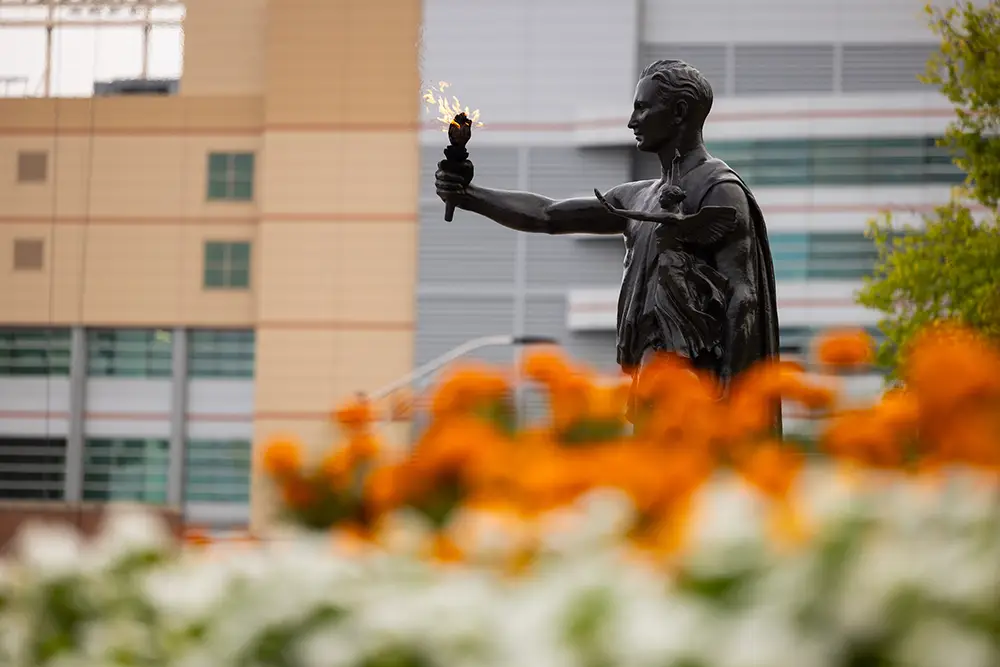
McDonald Family Endowments Add Professorships
Alumni share geologic passion through new endowed professorships. Alumni David and Barbara McDonald established two endowed professorships that support new faculty members specializing in critical minerals and energy in the Department of Earth, Environmental, and Planetary Sciences (EEPS). Assistant Professor Manuel Scharrer began in August 2025 as the David McDonald Endowed Professor in Critical Minerals.…
-
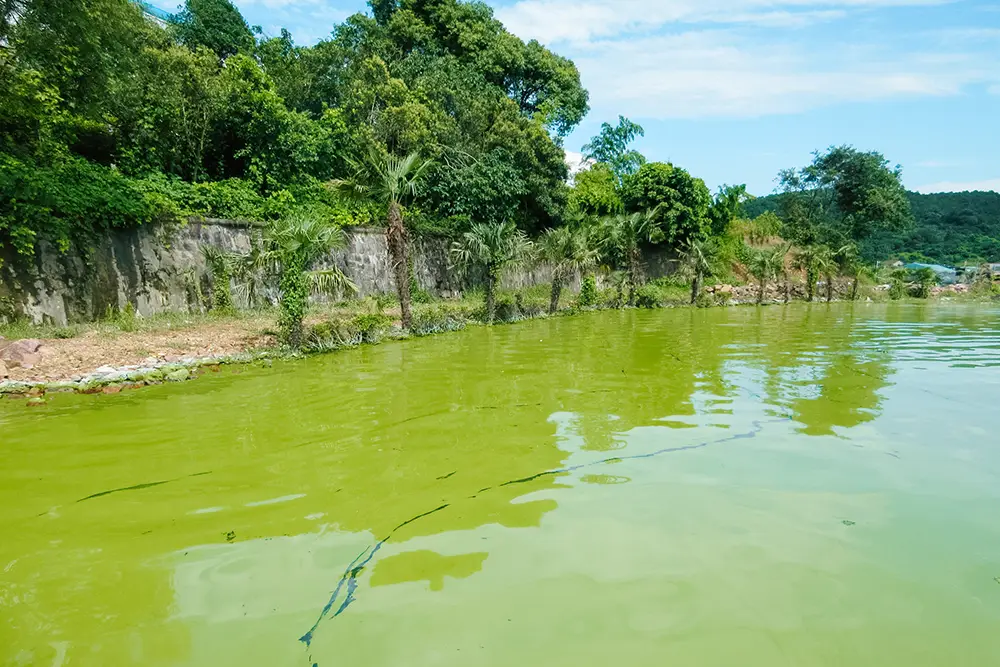
Advantages Uncovered in Blue-Green Algae Colonies
UT microbiology research into cyanobacterial blooms reveals that colonies take on metabolic functions and resistance to viruses. An international team of researchers led by a visiting scholar at the University of Tennessee, Knoxville, is shedding light on the dynamics in cyanobacterial blooms that can threaten freshwater safety. By analyzing Microcystis spp. in single cells and…
-
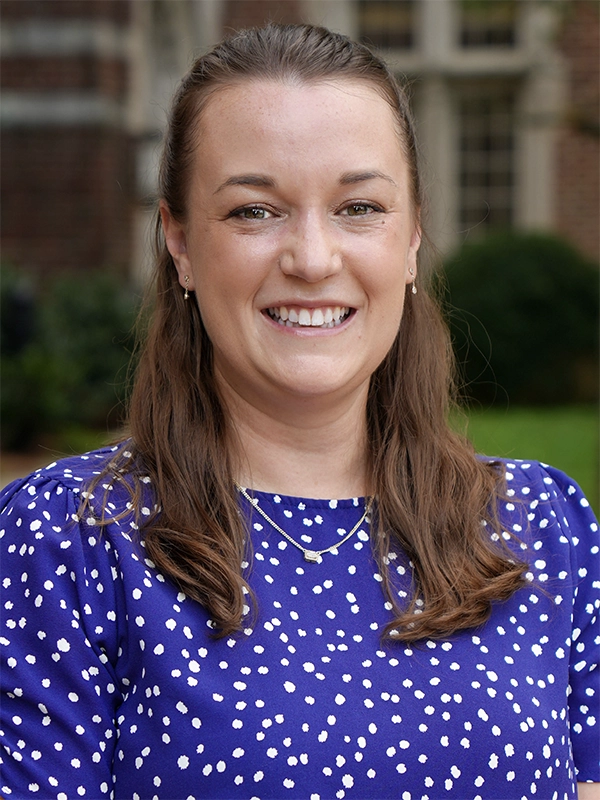
NIH Grant Supports UT Research on Chronic Wounds
Assistant Professor Carolyn Ibberson is investigating the interaction of microbes to discover what might prevent infection and promote healing. Assistant Professor Carolyn Ibberson at the University of Tennessee, Knoxville, has received a four-year, $1.9 million grant from the National Institutes of Health to support research on infections in chronic wounds. The R35 Maximizing Investigators’ Research…
-

Mead’s Quarry Research Reveals Toxic Algae Drivers
UT research into a pink algae bloom that closed the popular swimming area at Ijams Nature Center in 2024 is providing insight into how the organisms thrive. Researchers from the University of Tennessee, Knoxville, who quantified high toxin levels during a 2024 pink algae bloom at Mead’s Quarry Lake have published a new study identifying…
-

Scholar Spotlight: Chuck Price
“I use physics to study how natural selection shapes the geometry of plants, in particular branching patterns in trees, and how communities of trees fit together.” Chuck PriceResearch Assistant ProfessorDepartment of Ecology and Evolutionary Biology (EEB) Using physical models based on idealized fluid distribution networks, I study how natural selection has shaped the geometry of…
-
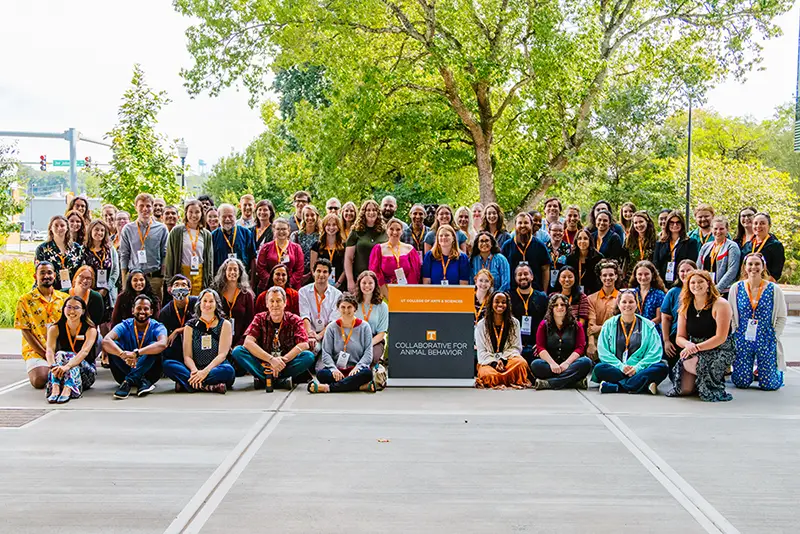
Animal Behavior Conference Fetches High Marks
Inaugural CoLAB research gathering shines a light on UT expertise in animal behavior. The college’s Collaborative for Animal Behavior (CoLAB) hosted the Southeastern Conference for Animal Behavior (SeCAB) on September 26–27. Researchers gathered to explore the dynamic interactions between animal behavior and environmental change, and to mobilize and expand the network of behavioral biologists in…
-

Scholar Spotlight: Ziying (Nancy) Lei
“I study tiny particles in the air—like pollen and wildfire smoke—that are invisible to the eye but have a big influence on clouds, climate, and public health.” Ziying (Nancy) LeiAssistant ProfessorDepartment of Chemistry My research focuses on advancing our understanding of the physical and chemical properties of atmospheric aerosol particles and how their transformations influence…
-
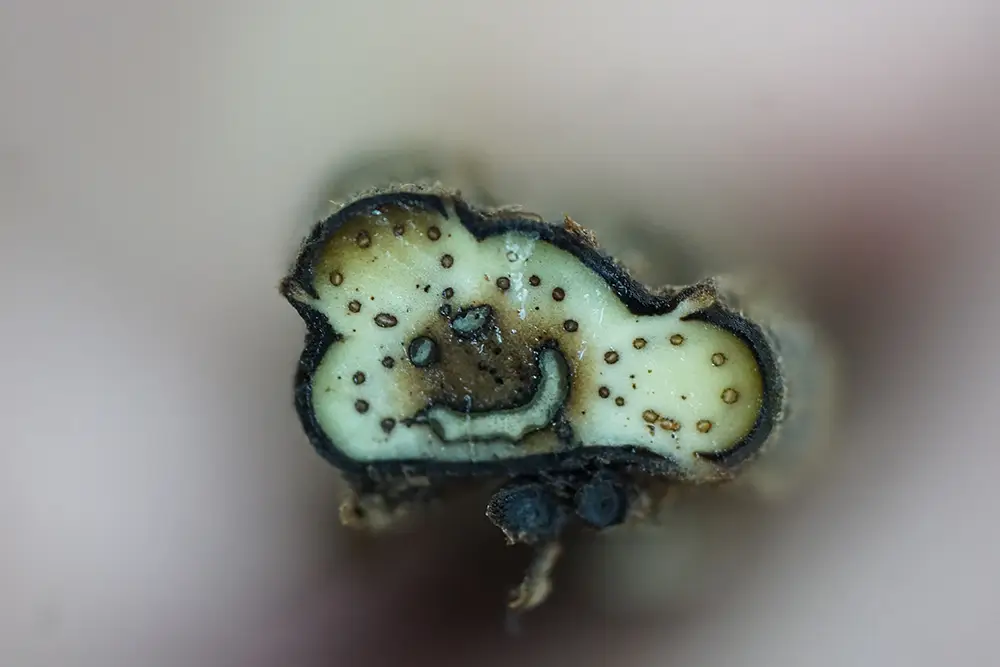
Fern Scientist Uncovers How Limits Fuel Evolution
Combining curiosity about ferns with the high-tech imaging available at UT, Professor Jacob S. Suissa is adding new insight into evolution. Research by Assistant Professor Jacob S. Suissa at the University of Tennessee, Knoxville, is revealing complexity in how ferns have evolved. Instead of the vascular structure inside fern stems changing as a direct adaptation…