
Research & Creative Activity
-

Powe Award Boosts Botany Research
New ORAU award contributes to Jacob Suissa’s research on the evolution of ferns. Assistant Professor Jacob Suissa, Department of Ecology…
-
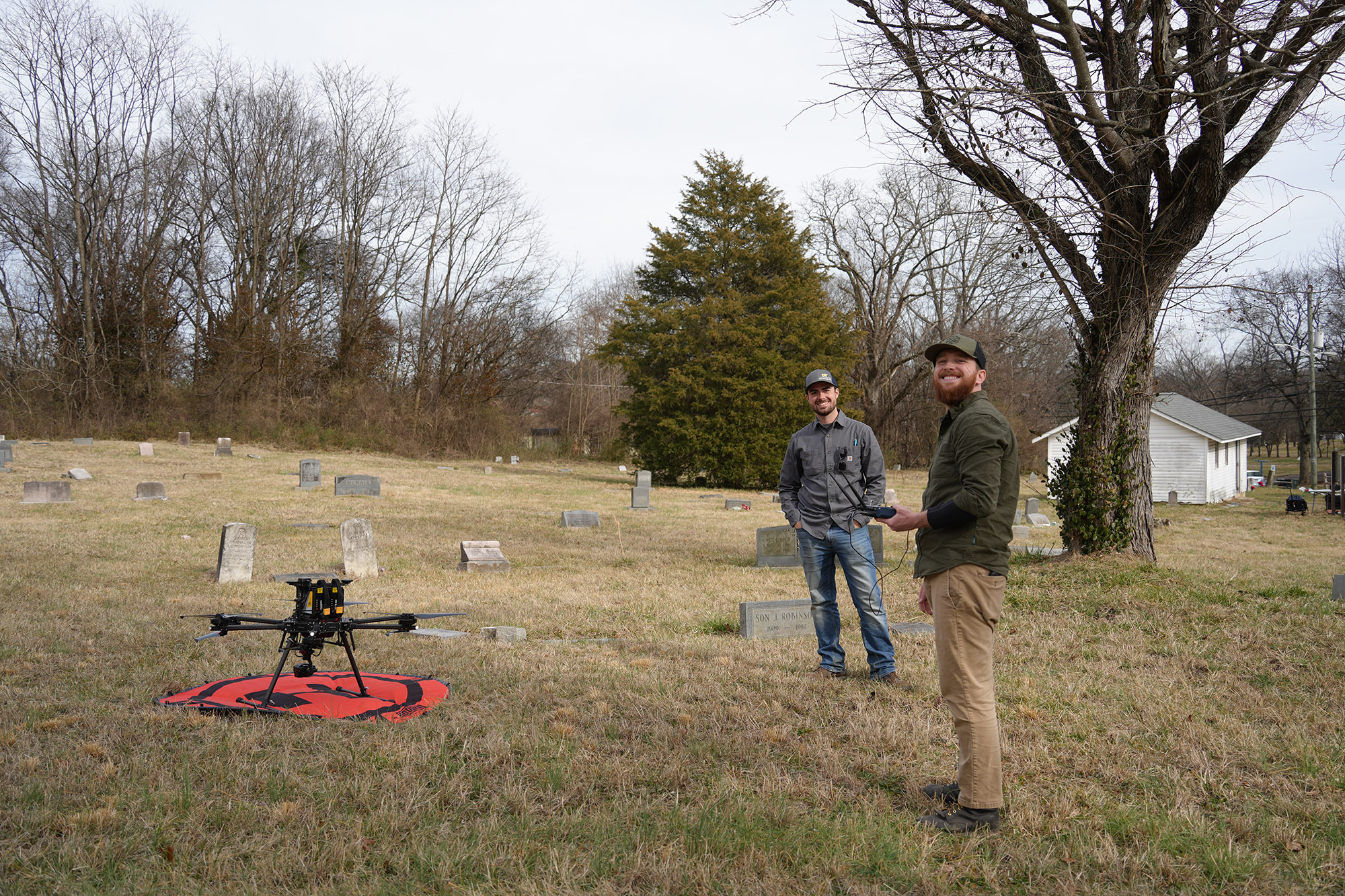
Vols Get the GIST of Mapping Data
Students and faculty in the Geographic Information Science and Technology program map down-to-Earth data for community-based projects using drones and…
-

Premodern Connections, Future Insight
Marco digitizes medieval sources and welcomes new faculty in its ongoing mission to elevate the connections between—and make purposeful sense…
-

Time Writing for The Conversation Pays Off
Conveying their expertise to a general audience expands the reach of faculty members’ academic work. With a few hours of…
-

Human Insight from the Animal World
The interdisciplinary Animal Behavior major gives students a look into animal ecology, psychology, and more while building analytical skills that…
-

Electric Life in the Big Peach
Newly published book by Nikki Luke examines Atlanta’s urban growth and increased use of electricity. Nikki Luke, assistant professor in…
-

Philosophy as a Professional Skill
Assistant Professor Judith Carlisle’s courses empower students to examine, discuss, and explore topics they will face in their careers and…
-
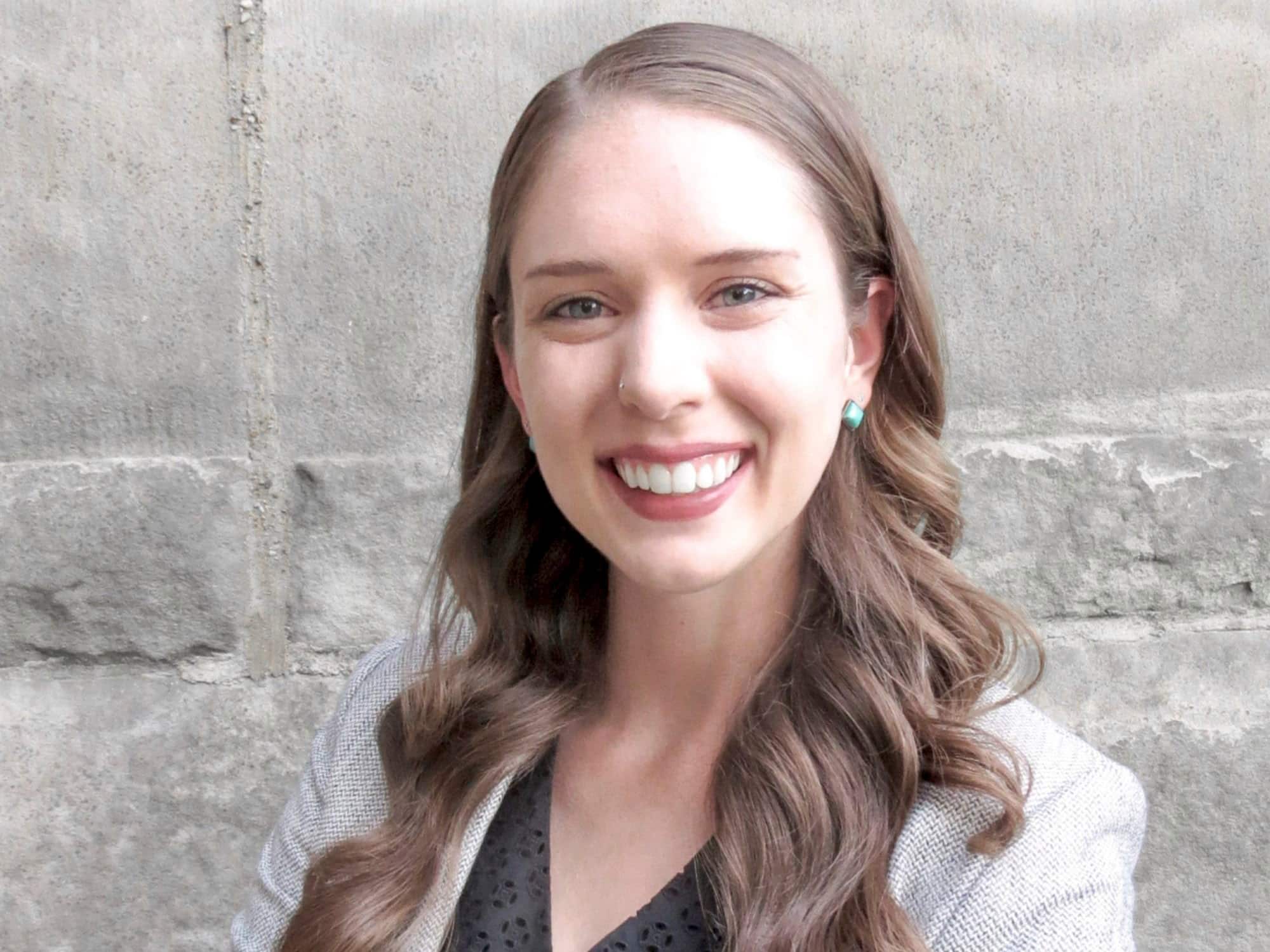
Scholar Spotlight: Kelly Morrison
“I research how countries interact with each other and how their political systems differ, focusing on topics such as democracy,…
-

International Award Honors UT Microbiology Researchers
Professor Steven Wilhem and Brittany N. Zepernick (PhD ’23) are receiving the Daylight Award for their discoveries on photosynthesis by…
-

Scholar Spotlight: Nikola Golubovic
“Students in my courses step into the wonderful world of Greek and Roman gods, heroes, poets, and writers. They learn…