
September 2025
-

Chemistry Faculty Presents Machine Learning in Switzerland
Vogiatzis leads international workshop in computational catalysis and machine learning. Associate Professor Konstantinos Vogiatzis, Department of Chemistry, received a senior fellowship for 2024–2025 from Collegium Helveticum, a Swiss institute for advanced study. The fellowship is supported by ETH Zurich, the University of Zurich, and the Zurich University of the Arts. As part of the fellowship,…
-
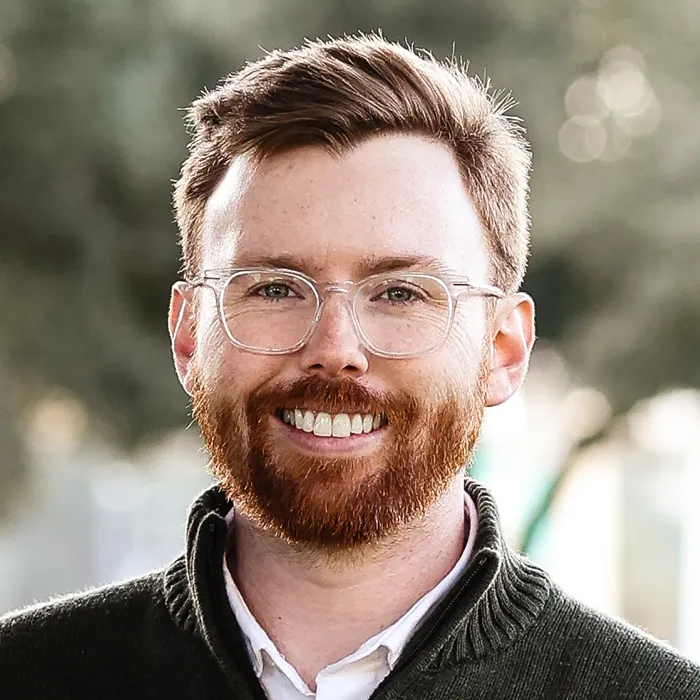
Scholar Spotlight: Zachary Burcham
“I study tiny organisms—like bacteria living in mammals, insects, and soil that eat dead things and waste products—to understand how they can help us break down our wastes or clean up pollution.” Zachary BurchamAssistant ProfessorDepartment of Microbiology My research focuses on microbial community dynamics using computational and lab-based approaches to understand how microbes interact with…
-

‘Earth System Engineering’ Examines Impact of Life
An international team including UT Professor Alycia Stigall offers a new way to examine the long-term impact of humans and other living organisms on the planet. An international team including a professor from the University of Tennessee, Knoxville, has developed a new approach for understanding how living organisms—including modern humans—fundamentally change Earth’s ecosystems. The researchers…
-

Career Readiness and Online Learning: New Academic Programs for 2025
New academic programs add to career readiness for students in the College of Arts and Sciences. Photo by Erik Campos New academic programs for the 2025–2026 year add to the advantage for students in the College of Arts and Sciences, preparing them to succeed in today’s career landscape and the flexibility to grow with future…
-
New Faculty Add to Student and Research Opportunities
Faculty members joining the college in fall 2025 bring new, interdisciplinary perspectives in a variety of academic fields, research topics, and creative activity.
-
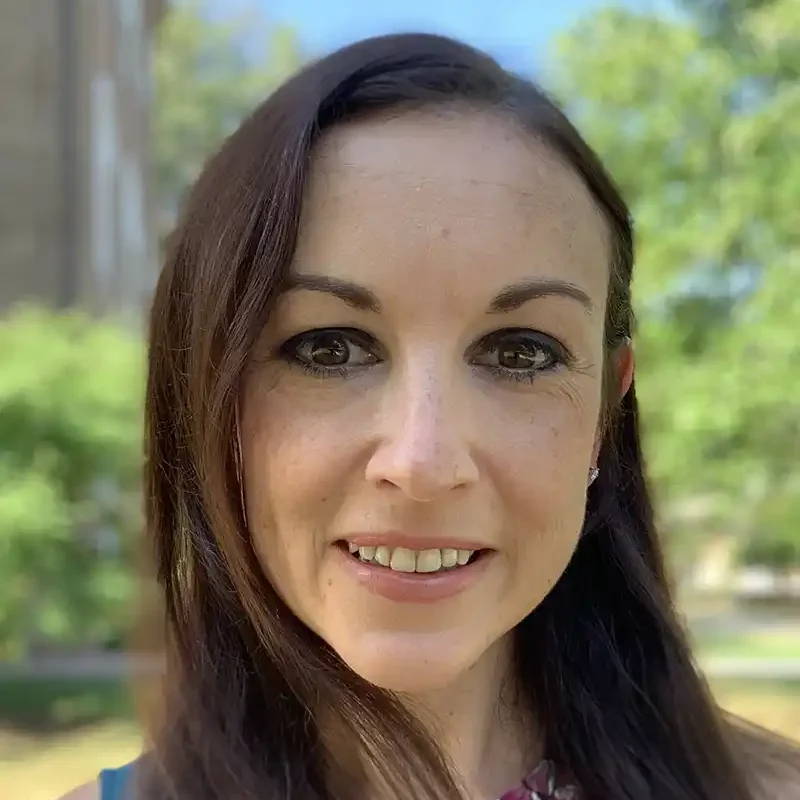
Scholar Spotlight: Molly Granatino
“I help students improve their writing and research skills, as well as their ability to analyze a piece of literature.” Molly GranatinoTeaching Assistant ProfessorDepartment of English I teach a range of English classes, from first-year composition to introduction to fiction. My research examines the intersection of architecture, narration, and subjectivity in the mid-Victorian novel. My…
-
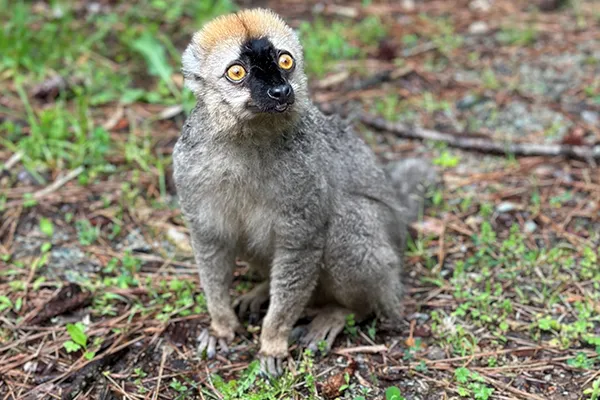
Primate Research Reveals Unexpected Insight on Grip
A study by UT Assistant Professor Michael Granatosky suggests species such as lemurs evolved grasping hands and feet for versatility rather than strength. New research led by Assistant Professor Michael Granatosky suggests some primates’ hands and feet are built for versatility, not just strength to grip branches as they move through trees. Although lemurs and…
-

New Social Sciences Faculty for Fall 2025
New faculty members add problem-solving perspectives to the UT social sciences community. New faculty members joining the college’s Division of Social Sciences this fall contribute to the ongoing exploration of helping make our institutions, communities, and the individuals who inhabit them stronger, healthier, and better equipped for the challenges of tomorrow. They join a faculty…
-
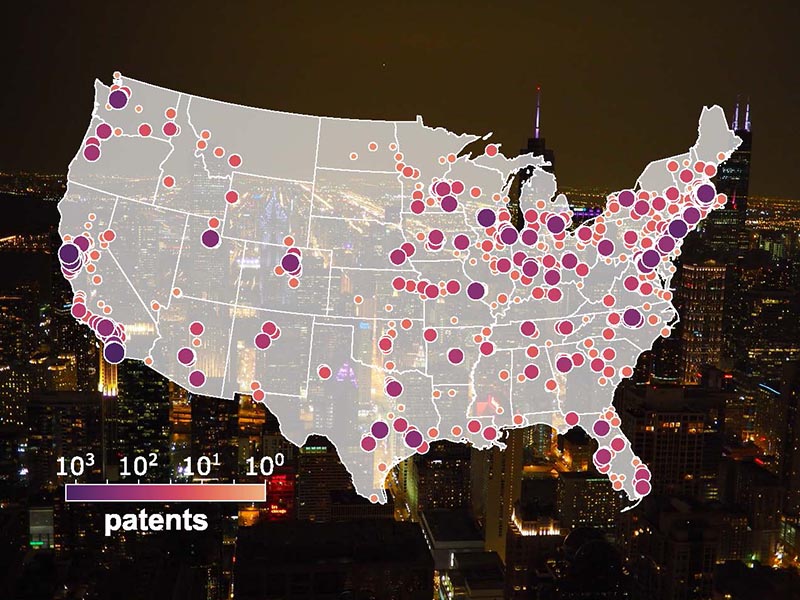
Good Research Neighbors: Measuring Innovation in Urban Areas
A UT research center team published a new study in npj Complexity that challenges conventional wisdom on how city size fuels innovation. Researchers with UT’s Center for the Dynamics of Social Complexity (DySoC) published a new study in npj Complexity revealing that the method by which cities are measured—and not just their size—profoundly shapes patterns…
-

Vol Impact: 2025 Alumni and Philanthropy Awards
Group Photo 2025 Alumni and Philanthropy Awards. Left to right: Dan Ricketts, Steve Frankel, Margie Nichols Gill, Interim Executive Dean Robert Hinde, Todd Metcalf, and Mike Dennis. The 2025 Alumni and Philanthropy Awards honor dedicated Vols whose support and service dedication help maintain the College of Arts and Sciences advantage. The UT College of Arts…