Visual & Interactive Storytelling
The Visual and Interactive Storytelling Program (VIS) offers students the opportunity to develop storytelling skills with classes in animation, creative writing, video game art, sound design, performance, filmmaking, and more. Students learn and experiment with contemporary narrative tools and practices.
Program Overview
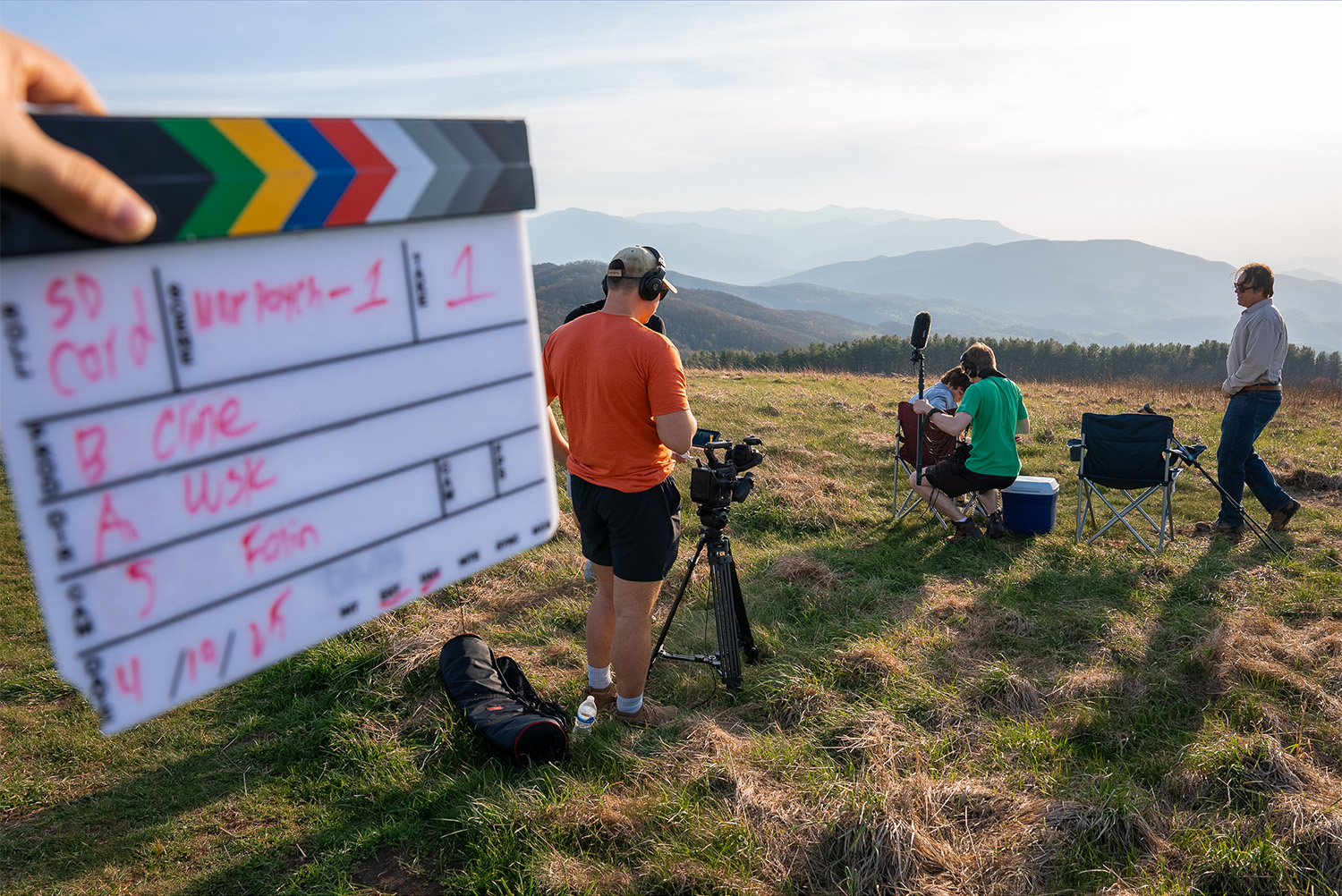
Visual and Interactive Storytelling students gain hands-on experience with digital creation, media production, and performance. The curriculum connects courses in literature, art, cinema studies, and theatre, combining theory with practice in collaborative projects.
- ACCESS professional-grade cameras, lighting, sound equipment, and laptops with Adobe Suite through the School of Art Media Pool.
- CREATE in state-of-the-art spaces, including green screen rooms, animation labs, editing suites, and a color finishing and sound mixing suite.
- COLLABORATE on productions with ACT (All Campus Theatre), UTK’s improv troupe, and student-led performances in the Lab Theatre.
- CONNECT with summer theatre companies via technical interviews and acting auditions arranged by the Department of Theatre.
Why Visual & Interactive Storytelling?

Interdisciplinary Exploration: Blend multiple art forms and fields of study into your personalized creative journey.
Connect Theory to Practice: Study narrative traditions while mastering new tools and techniques for contemporary storytelling.
Faculty Excellence and Mentorship: Learn from published authors, award-winning filmmakers, Broadway designers, and innovators in digital media.
Careers
Graduates receive comprehensive training in interactive tools and narrative craft with an emphasis on critical and creative thinking in the arts and humanities, preparing them for a variety of professional fields.
Career pathways include:
- Marketing and communications
- Animation and game development
- Filmmaking and screenwriting
- Digital journalism and content creation
- Sound design and data visualization
- Theater performance and direction
Featured Courses
ARTC / CNST 233
Animation I
Development of basic concepts and techniques for the creation of animated works, including stop-motion, 2D animation, and key-framing.
THEA 200
Play Analysis
Introduction to methods of script analysis used in the study of theatre and drama and for the purpose of play production.
ENGL 480
Fairy Tale, Legend, and Myth: Folk Narrative
Study of forms of folk narrative. Normally includes Grimms’, Andersen’s, Irish, English, Appalachian, African, and Native American tales.
ENGL 370
Multimedia Storytelling
Focuses on the analysis and production of digital, multimodal narratives, including video stories, podcasts, social-media communication, and multimedia publishing.