
Animal Behavior
Animal Behavior explores fascinating questions of why animals act the way they do. It is an interdisciplinary field that connects the big picture—like evolution and survival—with the details of how animals grow, learn, and respond to their environments. Animal Behavior can prepare students for a wide range of potential career paths.
Program Overview
With an Animal Behavior major, you’ll gain a broad and integrated understanding of why animals behave the way they do while building skills that prepare you for many career paths. You’ll develop skills in critical thinking, scientific writing, teamwork, and the ability to design and test ideas—skills valuable for research, conservation, animal care, education, and more. Although Animal Behavior is increasingly in demand it’s still rare to find a dedicated major like this at a top research university. At UT, you’ll join one of only a few Animal Behavior programs offered at a research-intensive (R1) university in the entire country. Our program brings together courses from biology, psychology, animal science, neuroscience, and other disciplines to help you explore the amazing diversity of animal life.
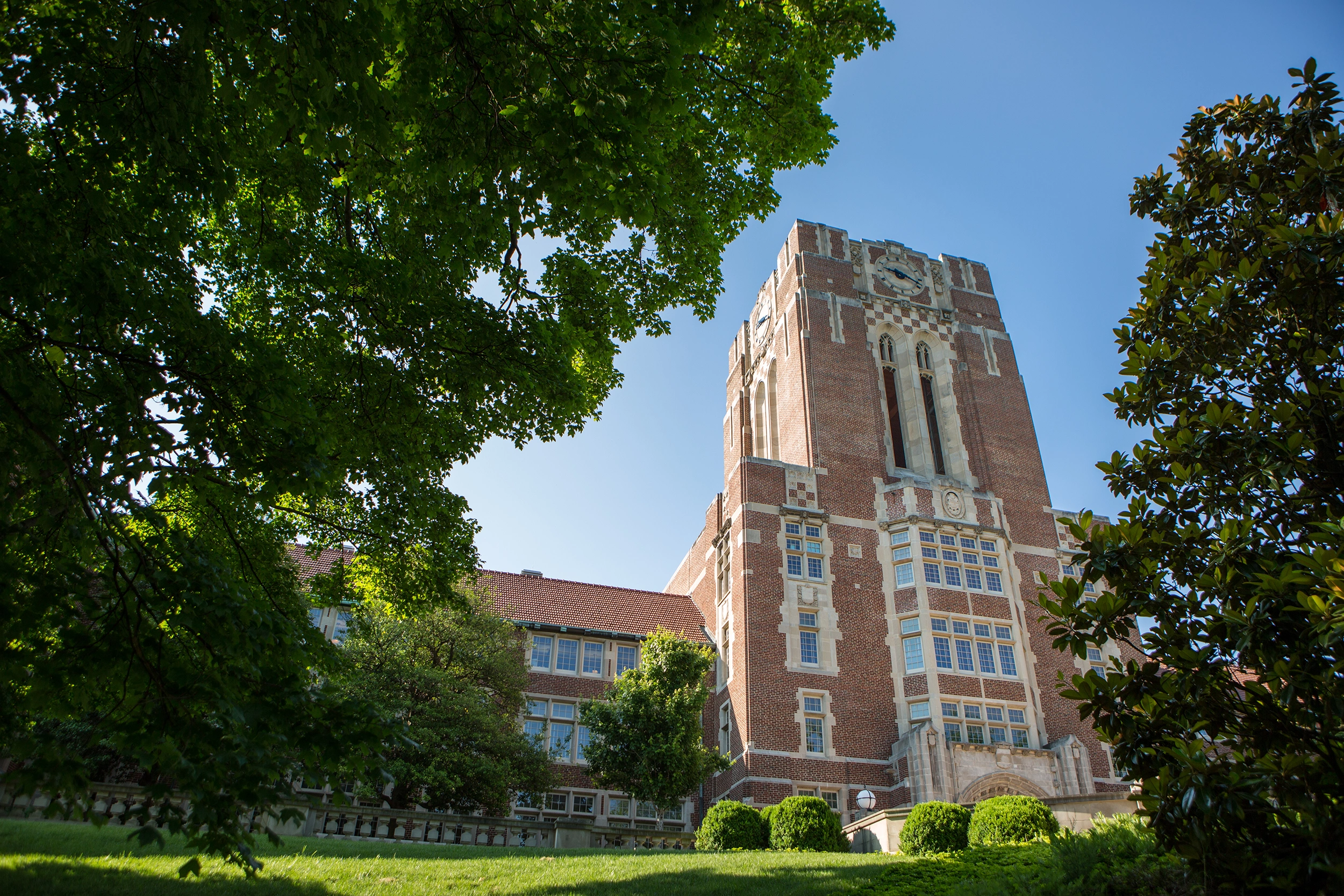
Austin Peay Building, Room 211
1404 Circle Drive
Knoxville, TN 37916
Why Animal Behavior?
Our program brings together experts from many departments through the Collaborative for Animal Behavior (CoLAB), creating a dynamic learning community. You’ll benefit from the energy and expertise of a growing group of faculty whose research covers everything from wildlife conservation and animal communication to neuroscience and animal welfare. Animal Behavior at UT is designed to prepare you for diverse careers, whether you’re interested in research, veterinary medicine, wildlife management, animal care, or working in zoos, aquariums, or conservation organizations. You’ll build a strong foundation with courses across several disciplines and gain valuable hands-on research experience that sets you apart in this exciting and expanding field.
Careers
Animal behavior researcher, animal nutritionist, animal technician/trainer, animal behavior consultant (zoos/aquariums/private practice), museum exhibit caretaker, conservation educator/ environmental educator, behavioral ecologist/ethologist, animal welfare specialist/animal shelter behaviorist, wildlife conservation biologist/ecologist, wildlife rehabilitator, science communicator/writer, pet therapist/trainer/animal-assisted therapy professional, veterinary technician, wildlife policy analyst, neuroscientist specializing in animal models, zoo/aquarium curator/manager, research technician in behavioral labs, zookeeper
“Animal Behavior is an incredibly exciting field because it sits at the intersection of so many disciplines—biology, psychology, neuroscience, ecology, and even the humanities. At UT, our program brings together a vibrant community of researchers, including many new and early-career faculty, who are working at the forefront of understanding how animals perceive and respond to a changing world. Whether you’re fascinated by animal communication, social behavior, conservation, the behavior of livestock or zoo animals, or the neural basis of behavior, our major offers the tools, experiences, and support to help you explore your interests and build a career that makes a difference.”
Todd Freeberg
Professor
Featured Courses
ANBV xxx
Wild Minds: The Secrets of Animal Behavior
Introduction to the field of animal behavior.
ANBV xxx
Career Tracks in Animal Behavior: Preparing for the Future
Professional development in the field of animal behavior.
EEB/PSYC 370
Evolutionary Psychology and Ethology
Basic concepts in the evolutionary approach to behavior, including applications to psychology, the social sciences, and the humanities.
EEB/PSYC 450
Animal Behavior Lecture
Explore the diversity of extraordinary and sometimes puzzling animal behaviors in the natural world, seeking to understand and test questions about how and why animals (including humans) behave the way they do. Students will develop scientific and professional skills in hypothesis development, critical thinking, visual representation of data, oral communication, and teamwork.
EEB/PSYC 454
Animal Communication
Principles of communication in animals. Analyses of developmental, mechanistic, functional, and evolutionary influences on communicative signals. Information and coding, communication and social behavior, signal complexity and human language.
EEB/PSYC 459
Animal Behavior Laboratory
Introduction to observational and experimental research in ethology.
Complementary Minors
- Neuroscience
- Psychology
- Animal Science
- Ecology & Evolutionary Biology